
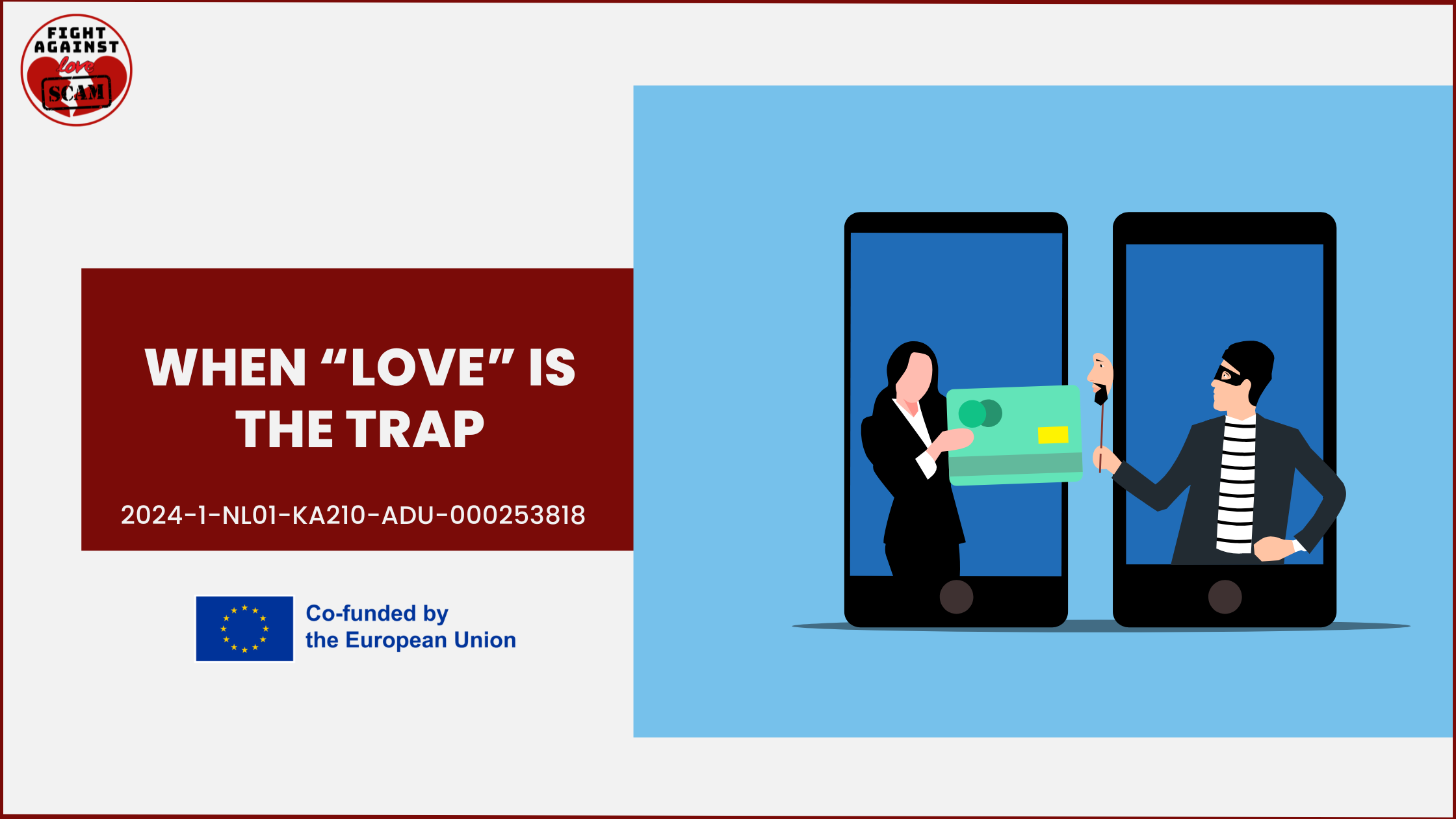
In a world where relationships can begin with a message, a friend request or a conversation on a dating platform, the internet has created new opportunities for people to connect. For many adults, especially those who may be living alone, experiencing social isolation or simply looking for companionship, online communication can become an important part of everyday life. But the same digital spaces that make connection possible can also be exploited by people with very different intentions. This is where online love scams, also known as romance scams, become particularly dangerous.
A person may believe they have met someone special online. The conversations feel natural. The other person appears caring, attentive and interested. Messages arrive every day. Personal stories are exchanged. Trust develops gradually. Over time, however, the relationship may reveal itself to be completely different from what it appeared to be. The person on the other side of the screen may not be who they claim to be. Instead, the relationship may have been deliberately created as a form of manipulation, with the ultimate objective of obtaining money, personal information or continued control over the victim. The emotional consequences can be profound.
FaLS – Fight Against Love Scam, an Erasmus+ project bringing together organisations from Italy, Germany and the Netherlands, is addressing this growing challenge by focusing on one particularly important target group: adults aged 50 and above. The project recognises that preventing online love scams cannot be reduced to simply telling people to “be careful online”. Effective prevention requires a broader understanding of how these scams work, why people can become emotionally involved, how manipulation develops over time and what educators, families and communities can do to provide support.
Why online love scams are more than a financial problem
When people hear the term “scam”, the first thing they may think about is money. Financial loss is certainly an important part of many online love scams, but focusing exclusively on money can make it difficult to understand the full impact of this type of fraud.
A romance scam is built around a relationship. That relationship may involve weeks or months of conversations. The scammer can create a sense of intimacy and emotional closeness before ever asking for financial help. The victim may begin to feel that they are communicating with a person who genuinely understands them.
The manipulation therefore takes place on an emotional level long before it becomes a financial transaction.
Eventually, a request for money may appear. It might be presented as an emergency, a medical problem, travel difficulties, a blocked bank account, a business problem or another situation requiring immediate assistance. The request can seem believable precisely because a relationship of trust has already been established. For the victim, saying yes may not feel like giving money to a stranger. It may feel like helping someone they love.
The psychology behind the scam
One of the central ideas behind FaLS is that understanding online love scams requires an understanding of human psychology. Scammers do not simply choose a random person and immediately ask for money. In many cases, the process is gradual. They may begin by creating a profile that appears authentic and attractive. They then initiate contact and start building a relationship. The communication may be frequent and carefully adapted to the victim: compliments, shared interests, expressions of affection and apparently personal conversations can all contribute to the creation of trust. The scammer may pay close attention to what the victim says and use this information later to make the relationship appear increasingly genuine. This can make the situation particularly difficult for the person involved.
From the outside, friends or relatives may notice warning signs that the victim does not see. But from the victim’s perspective, the relationship is based on personal experiences and emotional investment. If a person has developed strong feelings, they may reject the warning, defend the relationship or even distance themselves from people who question it. In some cases, this can increase isolation and give the scammer even greater influence.
Prevention starts with awareness
One of the most effective ways to reduce the impact of online love scams is to increase awareness before a person becomes a victim. This does not mean creating fear around the internet or discouraging older adults from using digital technologies. The objective is to give people the confidence to use online spaces while understanding the risks that may exist within them. There are several warning signs that can encourage someone to stop and reconsider an online relationship. For example, a new romantic contact may:
- avoid video calls or face-to-face meetings repeatedly;
- provide explanations that make verification difficult;
- claim to live or work somewhere far away;
- develop an intense emotional connection very quickly;
- frequently discuss emergencies or financial problems;
- ask for money, gift cards or financial assistance;
- request sensitive personal or banking information;
- discourage the victim from discussing the relationship with others;
- become angry or emotionally manipulative when questioned;
- create a constant sense of urgency.
None of these signs alone necessarily proves that a person is a scammer. However, several warning signs appearing together should encourage caution. The important point is to recognise patterns rather than isolated incidents.
Another challenge surrounding romance scams is shame. People who discover that they have been deceived may feel embarrassed or believe that others will judge them. They may think that they should have known better. But falling victim to a sophisticated manipulation strategy is not evidence that someone is unintelligent. Love scams are designed to exploit normal human emotions such as affection, trust, empathy and the desire for companionship. A victim may therefore need emotional support just as much as practical advice. Family members, friends and adult educators have an important role to play here. Creating an environment in which people can talk openly about suspicious online relationships can make it easier to identify a problem earlier.
A two-sided approach
On one side, there are older adults, who need accessible information, digital confidence and practical tools to navigate online relationships more safely. On the other hand, there are adult educators, who need reliable educational resources to explain the issue, recognise warning signs and support learners who may already be experiencing difficulties.
An educator who understands the psychological mechanisms behind a scam can provide better guidance. A senior who understands the warning signs is more likely to recognise suspicious behaviour. A family member who knows how manipulation works may be better prepared to support someone without blaming them. The answer to online love scams is not to tell seniors to stop using dating websites, social networks or digital communication. Online relationships can be meaningful. Digital communication can reduce loneliness, help people meet new friends and create opportunities for connection that may not otherwise exist. The objective is instead to promote safer digital relationships. That means encouraging people to take their time, verify information, maintain contact with friends and family, protect personal information and remain cautious when someone they have never met asks for money. Most importantly, it means remembering that trust should develop naturally and that genuine relationships should not depend on secrecy, financial pressure or emotional manipulation.
If someone discovers that an online relationship was not what they believed it to be, the first response should be understanding. Reporting the situation, seeking advice and asking for help are signs of strength, not failure.